Nanqiao Bridge: A Bridge, Half the History of Chengdu’s Way of Life

Nanqiao Bridge: A Bridge, Half the History of Chengdu’s Way of Life

Overview: The "Painted Gallery on Water" over the Minjiang River

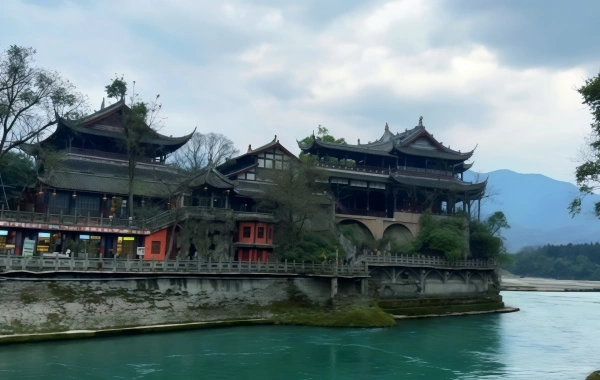
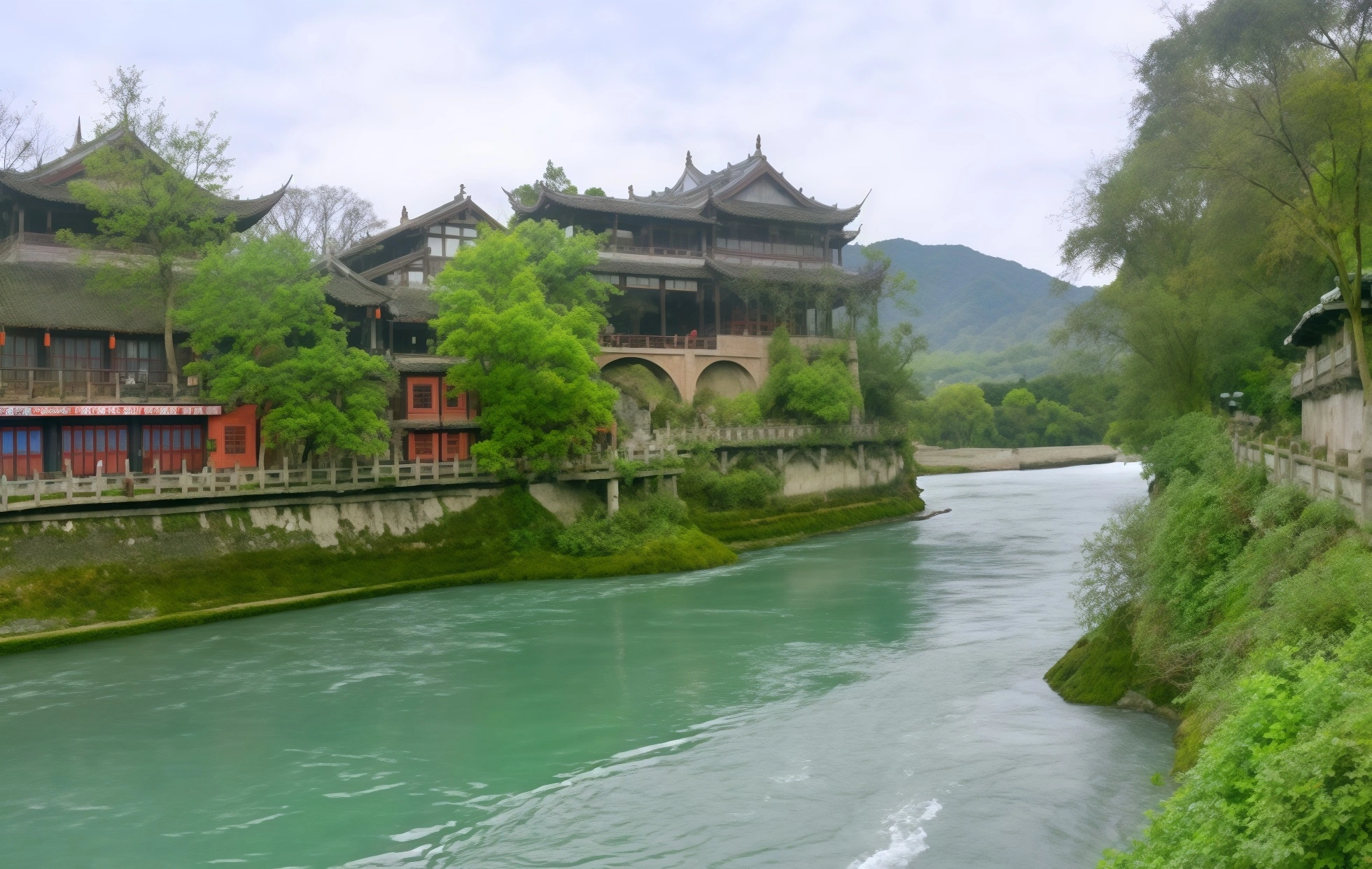
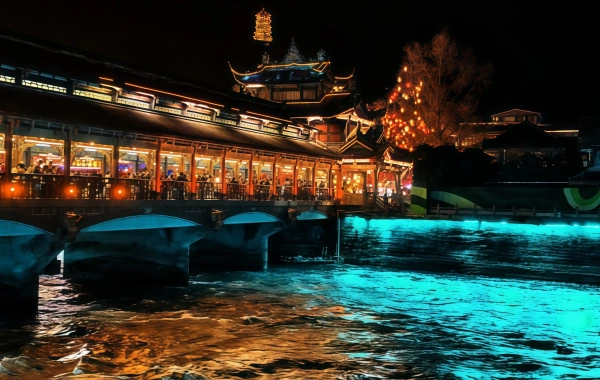
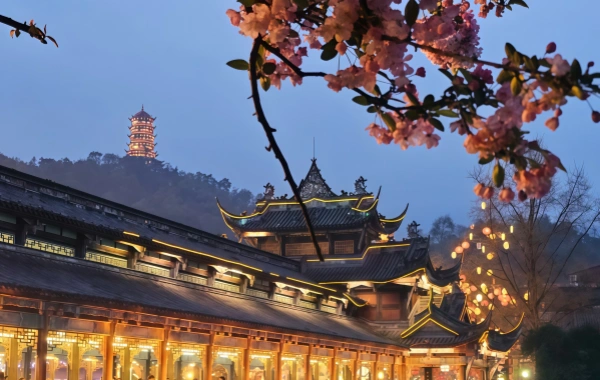
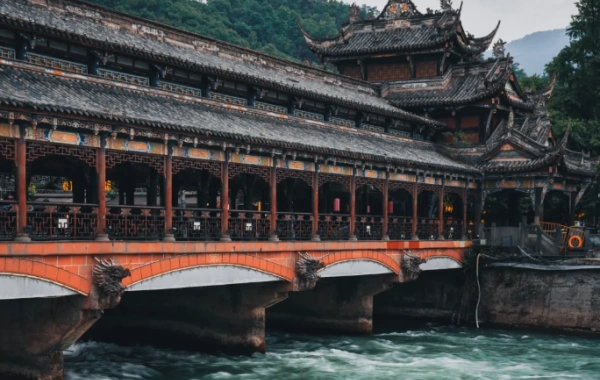
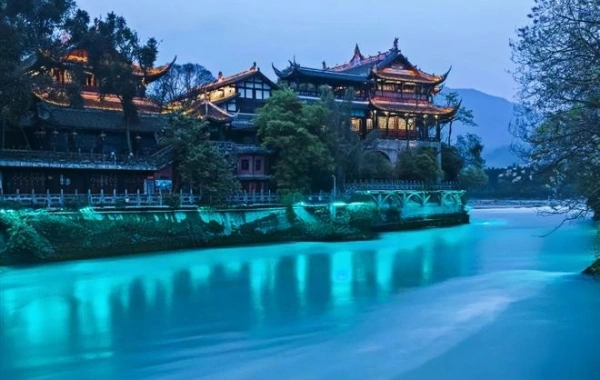
Nanqiao Bridge, also known as Puji Bridge, is a covered ancient bridge located in the Dujiangyan Scenic Area. Its construction began during the late Guangxu period of the Qing Dynasty. It integrates colorful paintings, carved beams, and calligraphic couplets. Visitors can view the surging river during the day and admire the spectacular "Blue Tears" optical effect at night.

Quick overview of core highlights

Identity Tags: Painted Gallery on Water/ "Blue Tears" Nightscape Hotspot

Core Experiences: Viewing the "Blue Tears" light show at night; overlooking the Dujiangyan Water Conservancy Project

Recommended Visit: Highly recommended to arrive in the evening to experience the highlights of the night scenery.

Address: No. 146 Tuanjie Lane, Dujiangyan City, Chengdu City, Sichuan Province

Admission: Free

  • Nanqiao Bridge: A Bridge, Half the History of Chengdu’s Way of Life-1
  • Nanqiao Bridge: A Bridge, Half the History of Chengdu’s Way of Life-2
  • Nanqiao Bridge: A Bridge, Half the History of Chengdu’s Way of Life-3
  • Nanqiao Bridge: A Bridge, Half the History of Chengdu’s Way of Life-4

Origins: The Vicissitudes and Rebirth of a Century-Old Bridge

Furong Ancient Town Furong Ancient Town

Past and Present—From Puji Bridge to Nanqiao Bridge

The story of Nanqiao Bridge begins in the early years of the Guangxu reign of the Qing Dynasty. According to the Puji Bridge Stele (Qing Dynasty), in the winter of 1878, a covered bridge—supported by stone pillars, featuring ornate beams and dougong (bracket sets), and topped with small gray roof tiles—was erected across the Min River. Designed to be wide enough to "accommodate three tracks" (three lanes of traffic), this structure was the predecessor of the current Nanqiao Bridge: the Puji Bridge. Regarding its construction, three theories have survived to this day: one suggests that Ding Baozhen, following his extensive renovation of the Dujiangyan Irrigation System, utilized the remaining funds—totaling over two thousand taels of silver and one hundred hu of millet—to build it; another claims that Lu Baode, the Magistrate of Guan County, personally oversaw its construction; while a third attributes its realization to the initiative of Wu Lietang.

The fate of this bridge is inextricably linked to the turbulent history of the Western Sichuan Plain. In 1933, the conflict known as the Pi River War spilled over into Guan County; the central span of the South Bridge was demolished, giving rise to the local adage: "Leaving Guan County via the South Gate—a road to nowhere." When the bridge was restored after the war, a fortified gatehouse was added—opened by day and closed by night. Over the ensuing decades, the South Bridge endured destruction by floods, the ravages of war, and the upheavals of the 1960s, yet time and again, it rose from the ruins. In 2008, the Wenchuan Earthquake once again reduced this ancient bridge to rubble; however, in 2009, the South Bridge was reconstructed using traditional craftsmanship, re-emerging before the world in a brand-new guise.

The Path of Rebirth: From Vital Thoroughfare to Cultural Landmark

Today, the South Bridge has long since transcended its original function as a mere "bridge." It serves as a nexus connecting two distinct worlds: to the west lies the ancient city of Guan County (now the Dujiangyan Scenic Area)—a realm of blue flagstone paths, time-honored shops, and a vibrant atmosphere brimming with the warmth of daily life; to the east lie the winding alleys where locals reside, harboring hidden teahouses known only to the old-timers of Chengdu. From the bridge, one can gaze upon magnificent vistas such as the snow-capped peaks of Xiling, the "Lidui Gorge," and the "Baoping Rapids"—making it, throughout history, the most renowned vantage point in Dujiangyan.

> Dive Deeper: Explore More Cultural Landmarks in Sichuan >>[Shanghai-Chengdu]

Must-See Wonders: A Millennial Dialogue Between Ancient Bridge and Flowing River

Furong Ancient Town Furong Ancient Town Furong Ancient Town

Nature's Handiwork: The Breath and Pulse of the Min River

Surging Azure Waters: A Wild Gift from the Snow-Capped Mountains

The water flowing beneath the South Bridge possesses none of the gentle, lyrical grace typical of the "small bridges and flowing waters" found in the Jiangnan region; instead, it carries the untamed spirit of the Min River’s snowmelt. The river water, diverted from the Yuzui (Fish Mouth) section of the Dujiangyan Irrigation System, flows in a hue ranging from emerald green to deep azure. It surges through the bridge arches, kicking up layers of white foam with a thunderous roar that can be heard from a great distance. Standing by the bridge railing, one is met by a refreshing mist rising from the water, instantly dispelling much of the stifling summer heat. The best time to visit is during the high-water season in July and August; when the water volume is at its peak, the river appears as clear and translucent as jade, exuding a truly majestic aura.

"Blue Tears": A Nighttime Spectacle of Light and Shadow

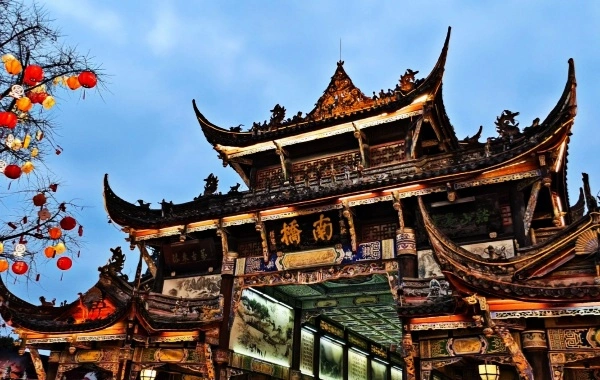
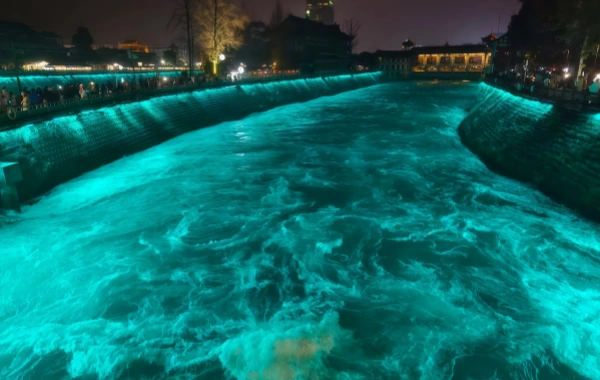
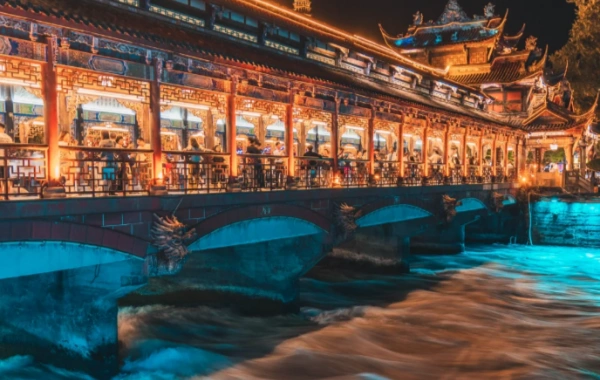
This is the most magical moment at Nanqiao Bridge. At night, illuminated by cool-toned LED lighting, the waters of the Min River transform into a flowing stream of "Tiffany Blue." It resembles a cascading river of stars, and when captured on a mobile phone, it yields a fantastical deep-blue image—much like "Blue Tears." Interestingly, while the water appears green to the naked eye, cameras and phones capture it as blue—a fascinating phenomenon explained by the principles of light refraction. The best vantage point for photography is not on Nanqiao Bridge itself, but rather about 400 meters downstream at the Yangtianwo Sluice Bridge (also known as the Tianfuyuan Covered Bridge). Here, the crowds are thinner, the scenery is stunning, and the blue light ripples like flowing satin, creating an atmosphere of pure enchantment.

> Photography Tip: When photographing the "Blue Tears," turn off your flash and lower the exposure settings to make the blue tones appear more vivid. It is also recommended to wear light-colored clothing, as this tends to produce more striking photos.

The Beauty of the Four Seasons: Spring Crabapples and Winter Mists

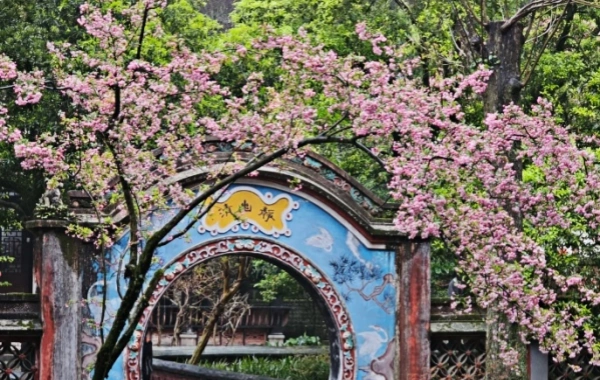
Nanqiao Bridge offers picturesque scenery throughout the year, each season possessing its own unique charm. In spring (late March to April), the weeping crabapple trees lining the riverbank burst into bloom; their pink and white blossoms cascade downward like waterfalls, creating a poetic tableau as they harmonize with the thousand-year-old bridge, the emerald waters, and the lush green hillsides. Summer (July and August) marks the peak of the river's flow—the ideal time to witness the "Blue Tears" and escape the heat, as the ambient temperature by the river is typically 3 to 5°C cooler than in the city center. During the autumn and winter months, visitor numbers dwindle, and the ancient bridge is often shrouded in a delicate morning mist, offering the perfect setting for capturing serene, ink-wash-style imagery.

Human Ingenuity and Craftsmanship: An Artistic Promenade Suspended Over the River

Covered Bridge Architecture: An "Aquatic Art Gallery" of Carved Beams and Painted Pillars

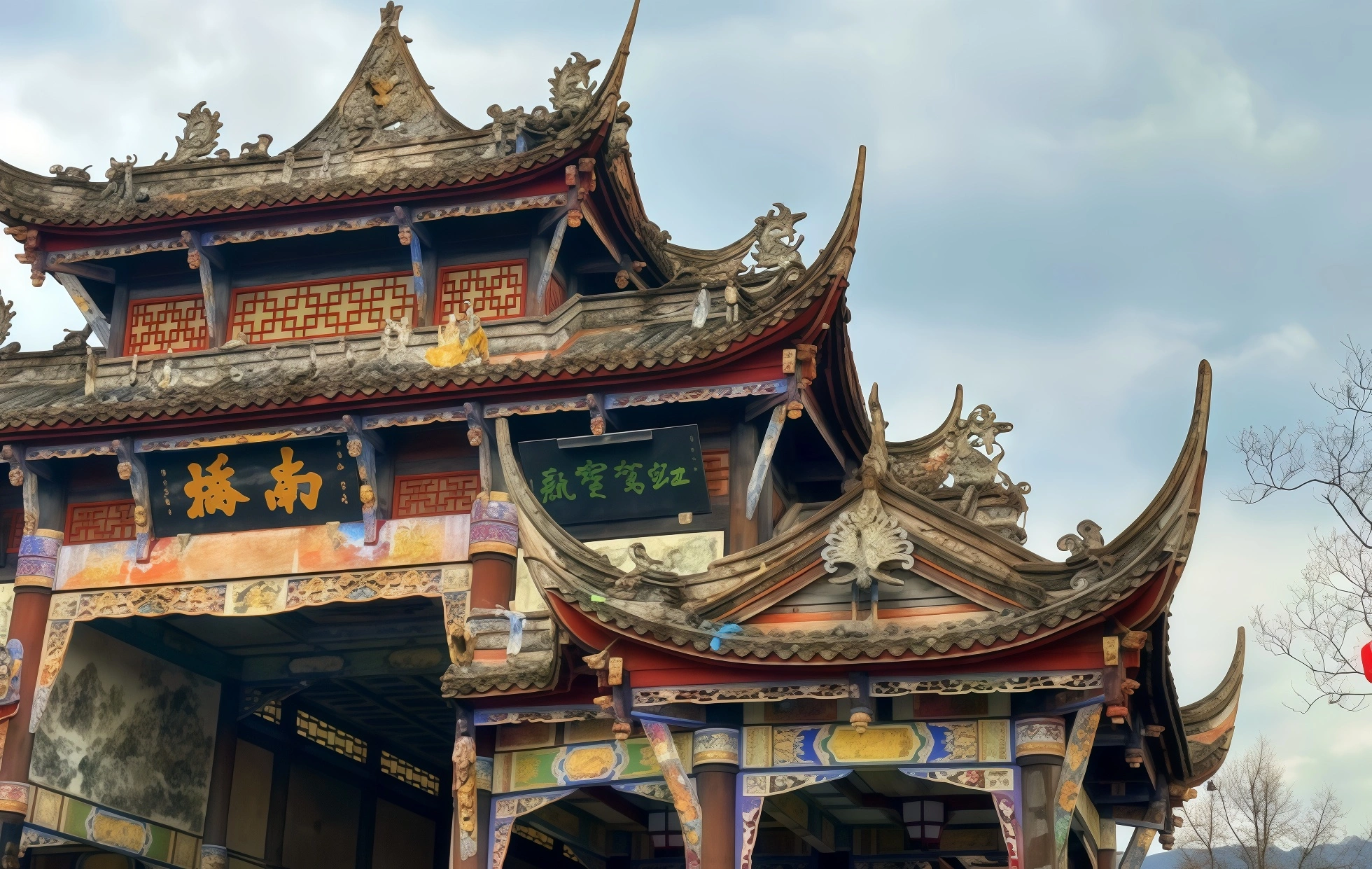
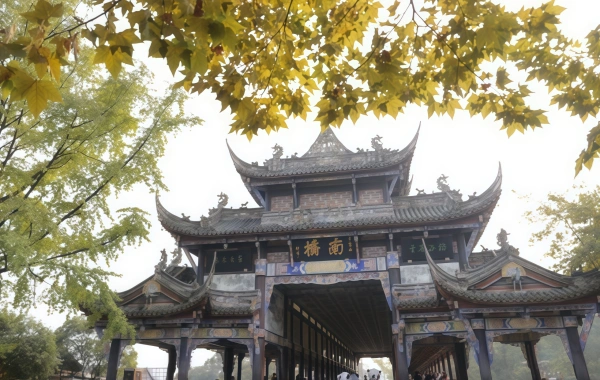
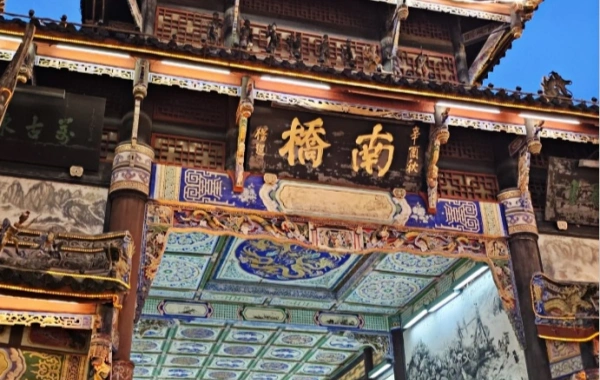
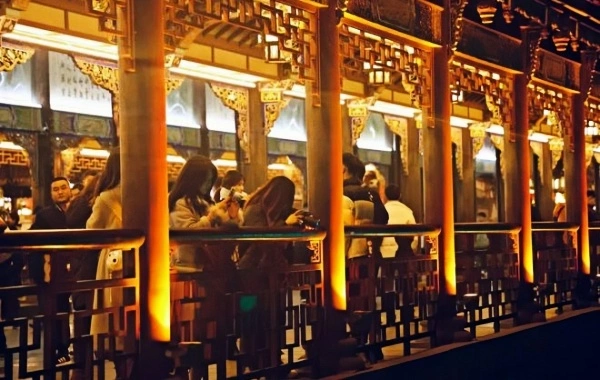
Nanqiao Bridge is a quintessential example of a covered bridge dating back to the Ming and Qing dynasties, characterized by its double-eaved roofline, upturned eaves, and intricate ornamentation featuring carved beams and painted pillars. Most striking of all are the painted decorations—dragons and phoenixes, flowers and birds, and historical narratives—painted densely across the beams, pillars, and ceilings. The inner walls of the covered bridge are exquisitely adorned with numerous murals and calligraphy works, while the beams and pillars feature no fewer than 34 pairs of poetic couplets. Upon closer inspection, one notices that some of the paint has begun to flake, revealing the underlying wood grain; far from detracting from the aesthetic, this patina of age actually enhances the bridge's sense of history and timelessness. The bridgehead features a broad, three-bay facade and a monumental, triple-eaved gateway reminiscent of a traditional pailou (archway). The roof is covered in traditional cylindrical tiles and adorned with elaborate clay sculptures—including ridge ornaments, decorative finials, mythical beasts, and human figures—all crafted with exceptional artistry.

Guancheng Ancient City: The Vibrant Pulse of Daily Life at the Bridgehead

The true charm of the South Bridge lies in its role as a connector between two entirely different worlds. To the west of the bridge lies Guancheng Ancient City, characterized by its blue-stone paved streets, historic shops, and renowned local delicacies—such as "Zhang Fei Beef" and "Guo's Tangyuan" (sweet rice balls)—all brimming with the lively, down-to-earth atmosphere of everyday life. The eastern side of the bridge offers a more intimate, residential vibe; a labyrinth of interconnecting alleys conceals a number of old teahouses known only to locals. Here, for the price of a five-yuan cup of jasmine tea, one can sit for an entire afternoon, listening to conversations at neighboring tables that range from tales of the Romance of the Three Kingdoms to complaints about losing a few dozen yuan at mahjong the day before.

Couplets on the Ancient Bridge: A Legacy of Culture

The beams and pillars of the South Bridge bear a remarkable total of 34 poetic couplets. Their themes span the wisdom of ancient water management, the unique cultural ethos of the Ba-Shu region, and various historical anecdotes. To walk across the bridge and read these verses closely feels akin to engaging in a dialogue with the ancients. One couplet, in particular, reads: "South of Guancheng, beneath the Liduī Mound, stands a bridge—lofty and majestic." These lines perfectly encapsulate the geographical and cultural significance of the South Bridge.

Photography Tips:

Best Panoramic Viewpoint: Head toward the Baige Bridge; from there, you can capture a sweeping vista that encompasses the South Bridge, the Baopingkou (Treasure Bottle Mouth) weir, and the ancient city skyline all in a single frame.

Reflections and River Details: The Lanyue Bridge is the ideal spot for photographing the South Bridge's reflection in the water, as well as the dynamic details of the rushing river currents.

The "Blue Tears" Phenomenon: The Yangtianwo Sluice Bridge offers the prime vantage point for capturing the mesmerizing "Blue Tears" phenomenon—a spot where the scenery is stunning and the crowds are sparse.

Drone Photography: Drone flight is permitted in this area, allowing you to capture epic, integrated perspectives of the river and bridge that are simply impossible to achieve from the ground.

Core Experiences: A Guide to Chengdu’s "Slow Life"

Furong Ancient Town Furong Ancient Town

Five Must-Do Activities to Unlock the Beauty of Nanqiao

Capture a Stunning Series of "Blue Tears" Night Photos

Timing: After 8:00 PM in summer / After 7:00 PM in winter; the blue glow appears most vivid and translucent once the sky has turned completely dark.

Locations: Yangtianwo Sluice Bridge (fewer crowds, beautiful scenery) / The Second-Floor Colonnade of Nanqiao (ideal for wide-angle panoramic shots).

Attire: Light-colored clothing or traditional Hanfu is recommended. You can also rent illuminated headpieces to instantly transform yourself into the heroine of The Ode to the Goddess of the Luo River.

Attend a Night Banquet Amidst the Twinkling Lights

Key Insight: The true essence of Nanqiao reveals itself only after nightfall! Suggested arrival time: 4–5 PM, to experience the transition from day to night.

Experience: Warm yellow lanterns illuminate the eaves; the entire bridge transforms into a palace floating upon the river, its reflection shimmering in hues of gold and emerald green.

Savor a Feast of Authentic Western Sichuan Flavors

Must-Try Snacks: Laohao Li Ji Huang Laozhao (chilled fermented glutinous rice soup with hongyou chaoshou—spicy wontons in red oil); Li Erjie Jiacai (fish slices with tofu pudding + aged cured pork from Mount Qingcheng); Li Baozi (an Intangible Cultural Heritage shop—be sure to buy the yacai [preserved vegetable] pork buns fresh from the steamer).

Dessert Check-ins: Li Bing Cultural & Creative Ice Cream (the matcha flavor makes for stunning photos in front of the ancient weir); Ye Popo Soy Milk & Momo (the corn cakes are a must-try).

Culinary Trail: The snack street at the southern end of the bridge—the air here is a heady blend of Sichuan peppercorn, sweet fried treats, and the fresh scent of the river, brimming with the lively "smoke and fire" atmosphere of local life.

Unwind at a Classic Old Chengdu Teahouse

Experience: Tucked away in the alleys east of the bridge are signless, old-school teahouses where you can sit for an entire afternoon with a cup of jasmine tea for just five yuan.

Atmosphere: Listen to the lively chatter (bai longmenzhen) at the next table and watch the owner scratch the chin of a resident ginger cat—this is the true essence of Chengdu’s laid-back comfort (bashu).

Explore a "Living" Ancient City

Cultural Immersion: Within the Ancient City of Guanxian, explore the Ming Dynasty city walls, West Street, and Wemiao Street; tucked away inside the historic buildings, you’ll discover shops featuring intangible cultural heritage crafts and creative souvenirs.

Fun Bites: The century-old Beijie Mixian (North Street Rice Noodles) for their classic sour cabbage and shredded pork rice noodles; and Leyili for their "Smiling Mouth" mini-dumplings paired with sweet-sauce noodles (tian shui mian).

Suggested Itinerary

One-Day "Day & Night" Highlights Tour (Highly Recommended)

Arrive in Dujiangyan at 4:00 PM → Tour the Dujiangyan Scenic Area (including Fulong Temple, Baopingkou, and Feishayan—approx. 2 hours) → At 6:00 PM, stroll across the South Bridge (Nanqiao) to capture photos of the ancient bridge’s interplay of light and shadow just before sunset → Have dinner in the Ancient City of Guanxian, sampling authentic local snacks (1.5 hours) → At 8:00 PM, view the "Blue Tears" nightscape, taking photos from the Yangtianwo Sluice Bridge (1 hour) → Depart after 9:00 PM. IntoTravelChina Tip: This itinerary offers a seamless transition from day to night. We recommend purchasing the Dujiangyan Scenic Area Night Ticket (entry after 17:30; 80 RMB per person) and booking your entry in advance via the official WeChat account.

Two-Day "Deep Immersion" Tour (Connecting Nearby Attractions)

Day 1: Arrive in Dujiangyan in the afternoon → Check into a guesthouse in the Ancient City of Guanxian → Visit the South Bridge and enjoy the "Blue Tears" night scenery in the evening → Explore the Ancient City Night Market for local delicacies.

Day 2: Enjoy the South Bridge and its morning mist all to yourself in the early morning → Tour the Dujiangyan Scenic Area (covering Qinyan Tower, the Two Kings Temple, Anlan Suspension Bridge, the Fish Mouth Weir, Feisha Weir, and Baopingkou; approx. 4 hours) → Head to the Panda Valley in the afternoon (Entrance Fee: 55 RMB) to watch the giant pandas having their breakfast → Return trip in the evening.

IntoTravelChina Advantage: We can book the perfect accommodation to suit your needs, coordinate the logistics for all your activities, and provide detailed walking route maps and safety guidelines.

> Professional Guides: IntoTravelChina offers fully customized itineraries, including a dedicated private guide, transportation, and activity arrangements, ensuring a worry-free and deeply immersive travel experience. >> [Consult for Customization Now]

Comprehensive Travel Guide: Transportation, Accommodation, and Seasons

Furong Ancient Town Furong Ancient Town

How to Get There: A Seamless Connection Guide

The South Bridge is located in the heart of Dujiangyan City and is easily accessible, just a 1.5-hour journey from Chengdu.

If departing from downtown Chengdu, we recommend taking the intercity train: Take Metro Line 2 to Xipu Station, then transfer to Lidui Park Station. The fare is 10 RMB, and the train ride takes approximately 30 minutes; upon exiting the station, it is a 15-minute walk to the South Bridge. If you prefer to drive yourself or take a taxi, set your GPS navigation to "South Bridge Parking Lot." The drive takes about 1 to 1.5 hours, and parking fees range from 10 to 20 RMB per visit.

Alternatively, you can take a direct long-distance bus from the Chengdu Chadianzi Bus Station to the Dujiangyan Bus Station. The bus ride takes about 1.5 hours; upon arrival, you can transfer to a local public bus or take a taxi to reach the South Bridge.

If traveling from other nearby attractions, we recommend chartering a private vehicle or driving yourself. It takes approximately 0.5 hours to drive from Mount Qingcheng to Nanqiao, and about 1.5 hours from downtown Chengdu; thus, it is an ideal destination to combine with a visit to Mount Qingcheng.

Important Reminder: If you plan to stay to view the night scenery, please note that the last return intercity train departs around 21:30. If you miss this train, you may arrange a private pickup service or contact your hotel to assist in arranging a vehicle; however, please be aware that these options typically incur higher costs.

Best Time to Visit

Nanqiao is a delightful destination in any season, with each offering its own unique charm; however, the absolute best time to visit is during the evening hours through the night in the spring and autumn.

Spring & Autumn (March–May; September–November)—The Golden Seasons: The climate is pleasant, and the scenery is at its absolute finest. In spring, the weeping crabapples are in full bloom; in autumn, the skies are clear and crisp, the river waters are crystal-clear, and the interplay of lights and reflections on the water creates a truly spectacular visual effect.

Summer (June–August)—The Cooling Season: The valley remains cool and refreshing, and with water levels at their peak, the "Blue Tears" phenomenon (bioluminescence) is at its most visually stunning. In the evening, the ambient temperature feels 3–5°C cooler than in the city center, though visitors should be prepared for potential rain.

Winter (December–February)—The Season of Tranquility: Crowds are sparse, and the morning mist creates a picturesque, ink-wash painting-like atmosphere—perfect for photography. Please note that the operating hours for some outdoor activities may be shortened during this period, and visitors should dress warmly to stay comfortable. 4.3 Accommodation Options

Within the Scenic Area (Our Top Recommendation):

Guanxian Ancient City Homestays:

Experience: A mere 5-minute walk to the South Bridge, offering an immersive opportunity to experience the ancient city's atmosphere at both dawn and dusk.

Price: Approximately 300 RMB per night; twin-bed rooms are in high demand and should be booked well in advance.

Best For: Travelers seeking convenient access to attractions and a taste of authentic local life.

Dujiangyan City Hotels:

Experience: A wide range of options available, spanning everything from budget-friendly inns to five-star luxury hotels.

Best For: Travelers with higher standards for accommodation amenities, or those planning to visit nearby attractions such as Mount Qingcheng.

Accommodation Outside the Scenic Area (A Flexible & Budget-Friendly Choice):

1. Mount Qingcheng Homestays: Affordable rates offering the tranquility of the mountain forests—ideal for travelers planning to hike Mount Qingcheng the following day.

2. Chengdu City Hotels: The widest selection of options, though this entails a daily commute of approximately 1.5 hours.

IntoTravelChina Accommodation Booking Tips:

We strongly recommend planning your itinerary and booking your accommodation at least 12 months in advance—especially if traveling during public holidays. Booking through us not only provides access to real-time room availability but also allows for the bundling of accommodation, attraction tickets, and transportation into a single package. This often results in combined savings and ensures a seamless, hassle-free travel experience. Simply tell us your budget and requirements, and we will match you with the perfect "Home Away from Home near the South Bridge." >> [Consult for Customization Now]

Journey Extensions: Linking the Highlights of Western Sichuan

Furong Ancient Town Furong Ancient Town

The South Bridge is by no means the end of your journey, but rather the perfect starting point for exploring the spectacular region of Western Sichuan.

Classic 2-Day Loop: Chengdu → Dujiangyan (South Bridge + Irrigation System) → Mount Qingcheng (Famous Taoist Mountain) → Return to Chengdu. This classic itinerary seamlessly blends ancient hydraulic engineering wisdom, historic bridge culture, and the mystical allure of a Taoist sacred mountain.

Western Sichuan 4-Day Loop: Chengdu → Dujiangyan (South Bridge + Panda Valley) → Mount Siguniang (The "Alps of the East") → Danba (Tibetan Villages & Watchtowers) → Xinduqiao (A Photographer's Paradise) → Return to Chengdu. Journey from the plains to the high plateau to experience the diverse cultural landscapes and scenery of Western Sichuan. 

In-Depth 5-Day Chengdu Tour: Seamlessly connecting Nanqiao Bridge with key city attractions—including Kuanzhai Alley, Jinli Street, the Giant Panda Breeding Research Base, and the Hemin Teahouse in People's Park—this tour allows you to experience the multifaceted nature of Chengdu, ranging from ancient Shu civilization to the vibrant pulse of local daily life.

Partner with IntoTravelChina to Embark on Your Exclusive, Relaxed Journey

The story of Nanqiao Bridge is one of the sedimentation of time, the unhurried pace of life, and cultural rebirth. IntoTravelChina specializes in crafting in-depth, personalized, and hassle-free travel experiences across China. Our travel experts are here to provide you with:

Tailor-Made Itineraries: We design the perfect route—incorporating Nanqiao Bridge and surrounding attractions—based on your specific interests and available time.

One-Stop Service: We handle everything—tickets, unique accommodations, transportation transfers, local guides, and activity bookings.

Exclusive Experiences: We arrange immersive visits to historic teahouses, provide guidance on the best times to photograph the "Blue Tears" phenomenon, and organize culinary tours to discover authentic intangible cultural heritage snacks.

Let your visit to Nanqiao Bridge be more than just sightseeing; let it be an immersive experience of the true Chengdu lifestyle.

> Start Planning Your Journey Now

> We invite you to contact our professional travel consultants; we will provide you with a personalized itinerary proposal and price quote within 24 hours.  >> [Consult for Customization Now]

Recommended Travel Routes

Most of our customers choose one of these three itineraries to experience the local culture and scenery in the most optimal way. You can browse the detailed schedules for these routes, or—better yet—work with us right now to create a custom travel plan tailored specifically to your preferences.>> [Consult for Customization Now]

What Our Clients Say?

Based on 10,000+ traveler reviews

...
Daniel Dorothea
Canada
Reviewed on April 29,2025
Shopping on Nanjing Road in Shanghai was just amazing! It's truly the "First Commercial Street of China", where tradition and modernity blend perfectly. You can find awesome souvenirs and experience the trendy vibes in cool stores. The neon lights at night are just spectacular, shining bright like Times Square in New York. The food here is incredible too. I had a feast for my taste buds. Shanghai, I'll definitely be back!
Destination(s): Shanghai
Date of Experience: May 08,2024
...
...
Elvis Eva
Canada
Reviewed on June 20,2025
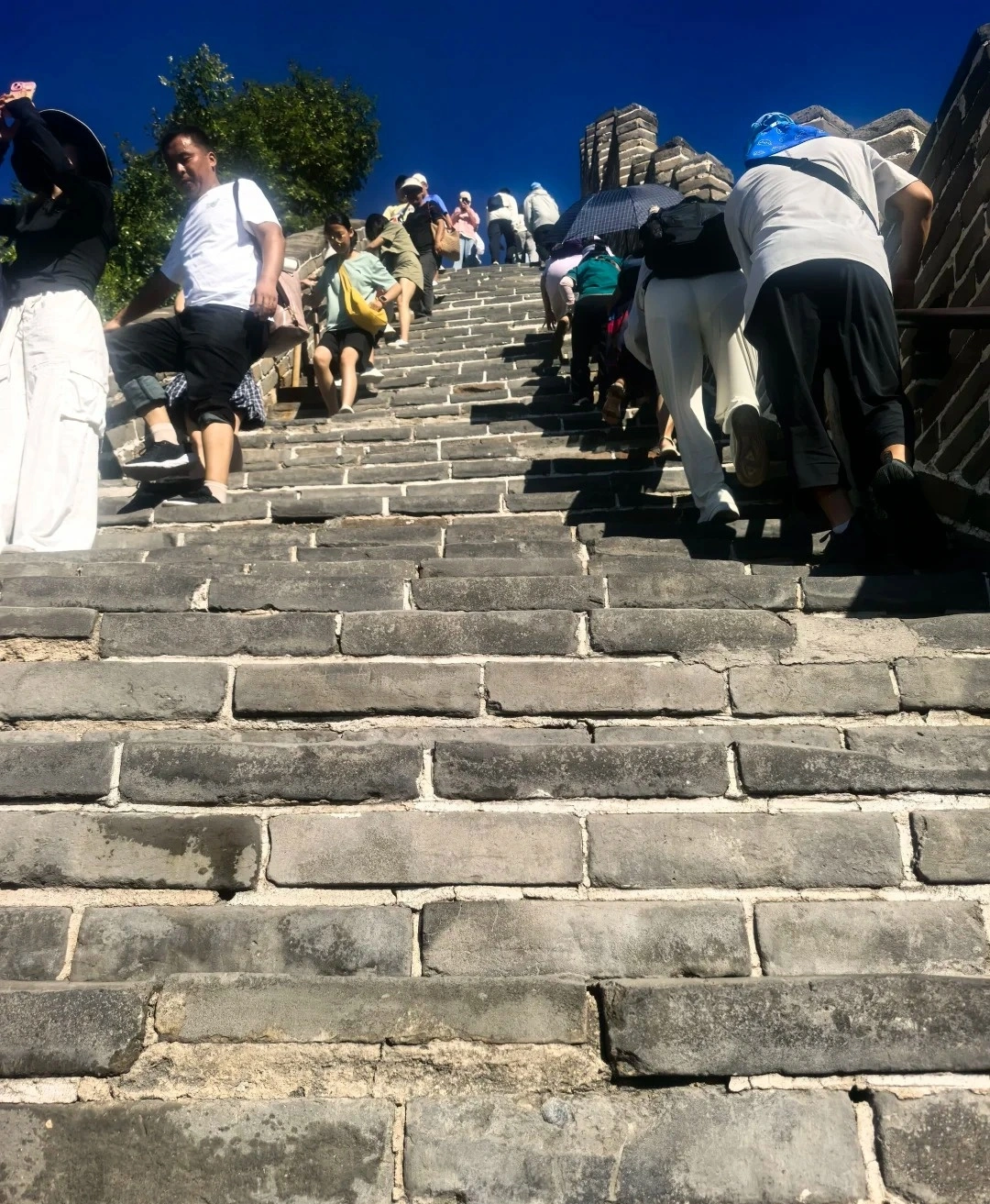
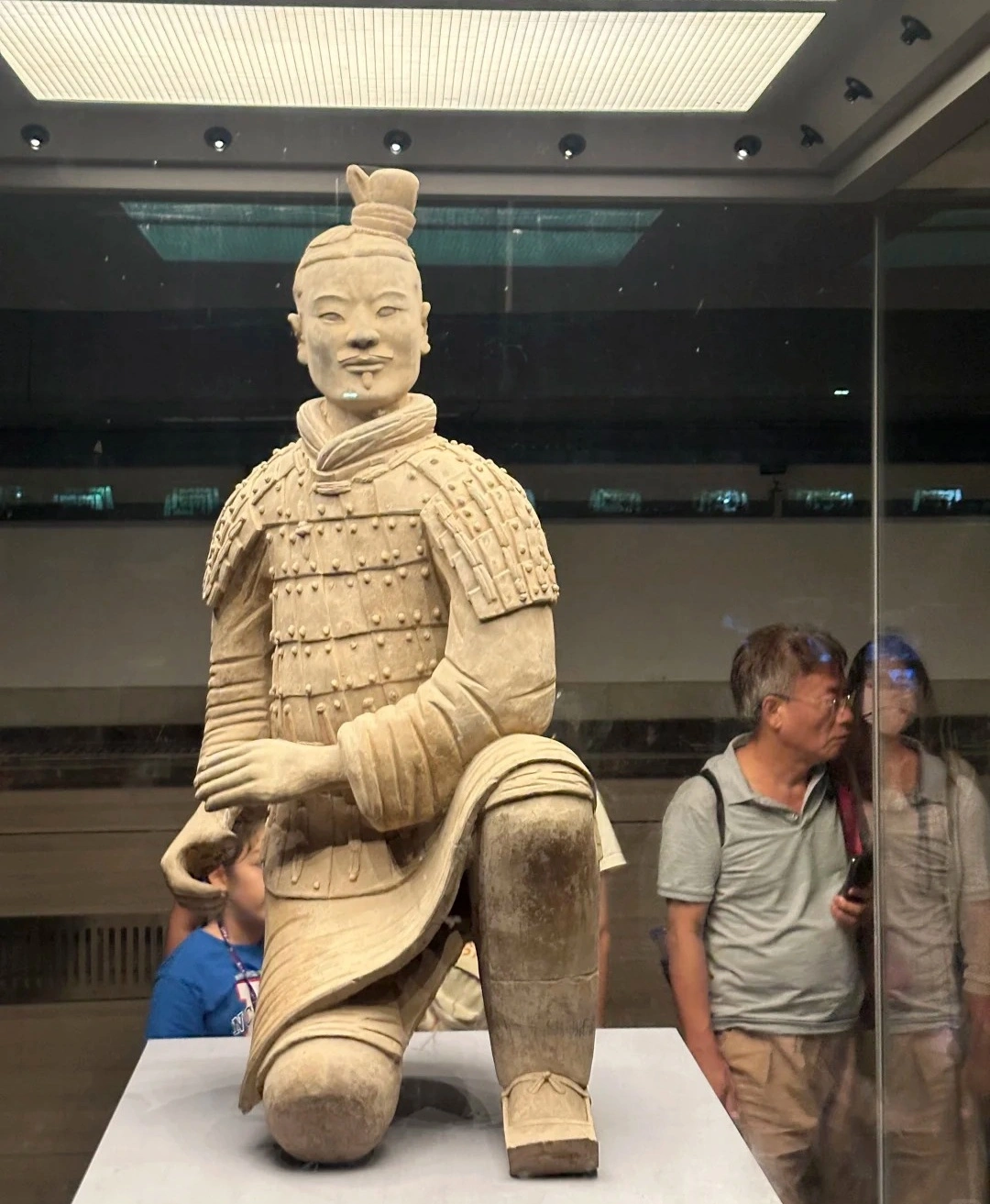
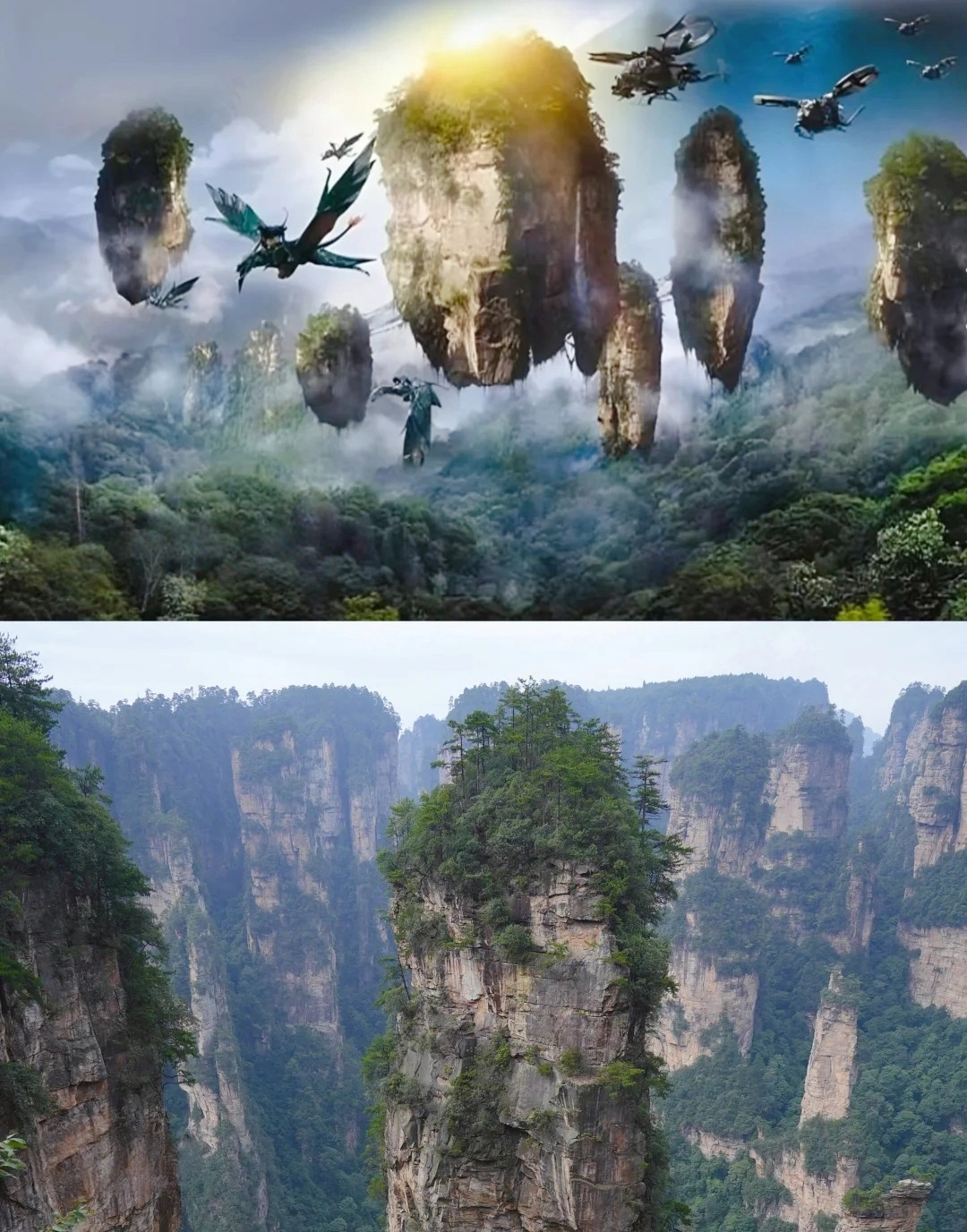
As a solo traveler from Canada, I was nervous about navigating China alone—but this 11-day tour was PERFECT! From hiking the Great Wall at sunrise (Day 3) to gasping at the Terracotta Army (Day 5), every day delivered ‘pinch-me’ moments. The real showstopper? Zhangjiajie’s Avatar Mountains (Day 7)! Our guide made the stone pillars come alive with stories. Massive thanks for handling all logistics—bullet train tickets, entry passes, car! And the 4-star hotels surprised me.
Destination(s): Beijing Xian Zhangjiajie Shanghai
Date of Experience: June 02,2025
... ... ...
...
Simon
America
Reviewed on May 29,2025
Our 2-day Zhangjiajie tour was beyond spectacular! As someone who’s visited Beijing and Shanghai for work, this trip revealed China’s wild, magical heart. Day 1 in Zhangjiajie National Forest Park felt like stepping onto Pandora—I’m a huge Avatar fan, and Yuanjiajie’s floating peaks left me breathless. The misty pillars and lush valleys like pure movie magic! Then came Fenghuang Ancient Town, we eat dinner beside the thundering waterfall. It seems Unreal! The night views of stilt houses glowing over the river were straight from a fairy tale. For fellow Avatar lovers and adventure seekers: Don’t miss this bucket-list experience! 10/10 would return. A Well-Traveled Film Buff, May 2025
Destination(s): Zhangjiajie
Date of Experience: May 08,2025
... ...

Ask a Question

Question Summary (100 characters)
Details (optional) (2,000 characters)
Name
Country
Email